WE AIM TO ALLEVIATE THE
SUFFERING OF MILLIONS IN TIGRAY.
HEALTHCARE IS A BASIC HUMAN RIGHT
Save the Date: #GivingTuesday is November 29! We’re proud to be a part of this global celebration of giving.
Meta announced it will match user donations, up to $7 million, to the various charities promoted across its apps. Please be sure to contribute to HPN4Tigray on the 29th via the donate button on our Instagram or Meta page.
HEALTHCARE CRISIS IN TIGRAY
Since the conflict began in November 2020, many health facilities in Tigray have been intentionally destroyed. As of December 2020, Doctors Without Borders reported that more than 70% of health facilities had been looted of life-sustaining supplies, equipment, medications and ambulances, thus leaving the people of Tigray without access to life-saving medical care.
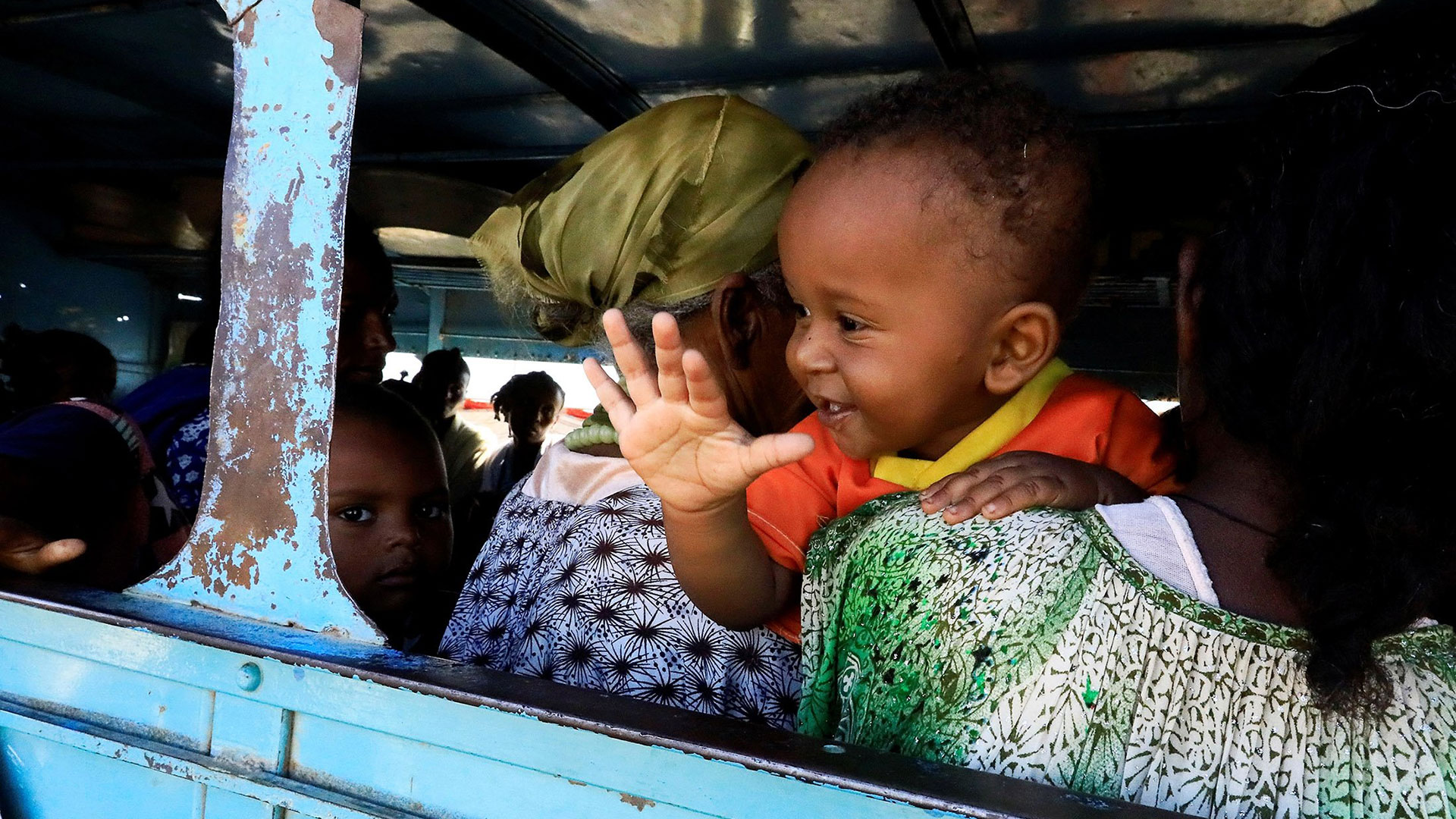
With a limited number of health facilities operating, medical care remains inaccessible to the majority of the estimated population of 6 million Tigrayans. As a result, civilians are dying from preventable infections and treatable medical emergencies. There is a lack of medical staff; many are fearful of their safety particularly of armed forces occupying hospitals, harassing and assaulting both staff and patients.
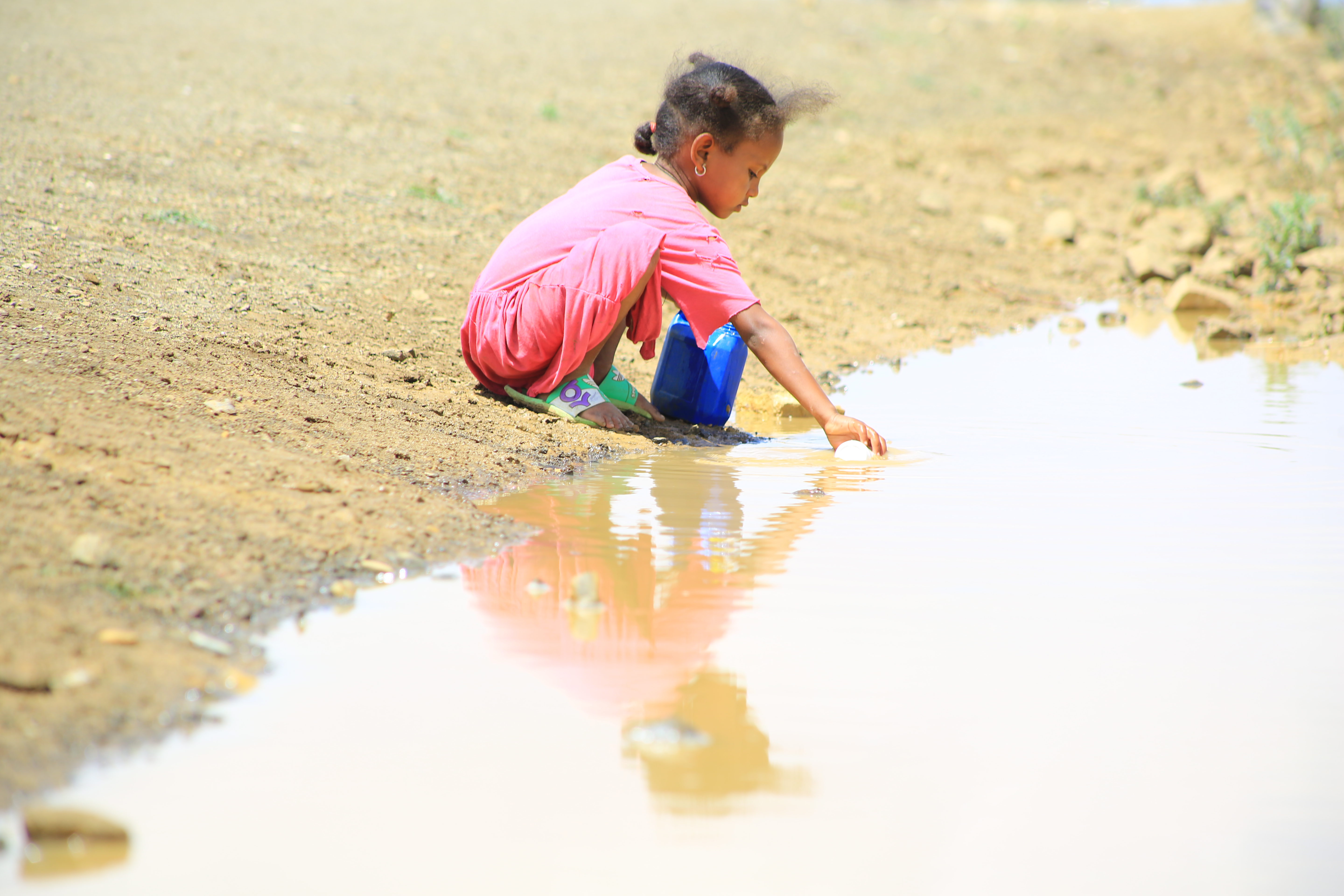
The healthcare needs for the people of Tigray are wide-ranging and overwhelming. Beyond life-saving medication and medical equipment, the people of Tigray need access to nutrition, clean water, vaccines, and personal protective equipment (PPE) to fight against infectious diseases such as TB and the COVID-19 pandemic.
Through the concerted efforts of donors and medical professionals HPN4Tigray is working to support unmet critical needs. We are currently spearheading projects in the region: providing life-saving medication such as insulin, malnutrition prevention programs for children under 5 who are currently Internally Displaced (IDP) populations, and clean water initiatives to prevent the breakout of cholera and other waterborne diseases.
The vision of HPN4Tigray stretches beyond the current crisis and aims to continue partnering with medical institutions and NGOs on the ground to rehabilitate and rebuild communities. As individuals and health professionals we have an obligation to act during this dire humanitarian crisis and work to alleviate the suffering of future generations.